
How to Write Flash Fiction That Hits
Flash fiction is proof that bigger isn’t always better. In a world where novels can stretch to hundreds of pages and epic fantasy series span multiple books, flash fiction challenges writers to do something remarkably difficult: tell a complete, compelling story in a very small space. Seems easy, right? After all, writing 500 words should be simpler than writing 50,000, right?
Not exactly.
The shorter a story becomes, the more every word matters. Flash fiction forces writers to focus on what is essential and drop what isn’t to create maximum impact with minimum words. When done well, flash fiction can surprise readers, make them laugh, break their hearts, or leave them thinking long after they’ve finished reading.
So how do you write flash fiction that truly hits?
What Is Flash Fiction?
Flash fiction is an extremely short story, typically ranging from 100 to 1,000 words, though some markets use different limits.
Unlike scenes, excerpts, or story fragments, flash fiction contains all the core elements of a complete story:
- A character
- A situation
- A change or realization
- An ending
The challenge is fitting those elements into a limited word count without sacrificing emotional impact.
Start Late
One of the biggest mistakes new flash fiction writers make is starting too early. Because word count is limited, there isn’t room for lengthy backstory, world-building, or setup.
Consider these two openings:
Version A
- Sarah had lived in the small coastal town for nearly thirty years. Every morning she walked her dog before work, stopping at the same coffee shop she had visited since college.
Version B
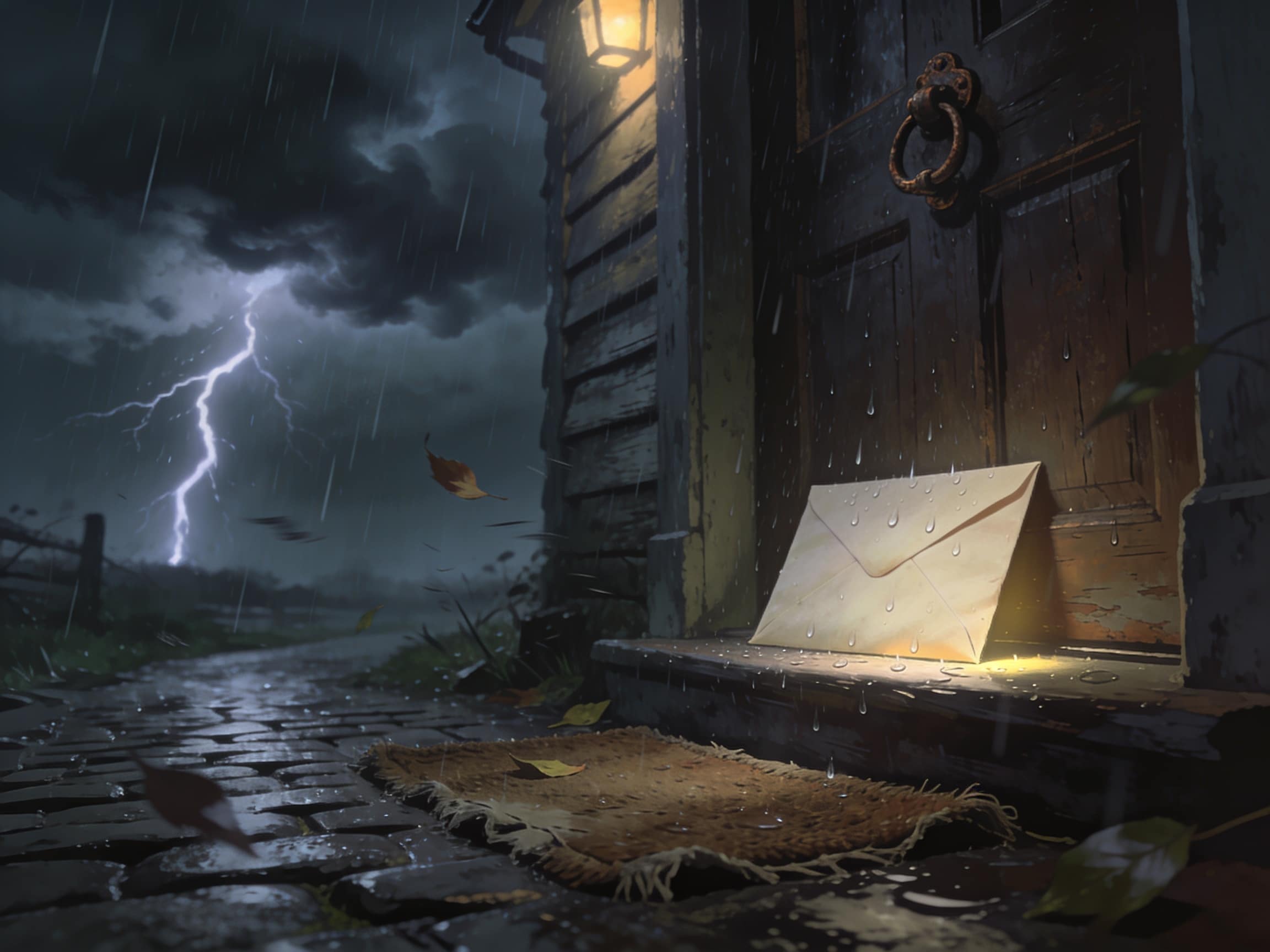
- The letter arrived the same morning Sarah’s husband disappeared.
Which one creates immediate curiosity?
Version B drops the reader directly into the story’s most interesting moment. Flash fiction thrives on momentum. Enter the story as close to the central conflict as possible.
Ask yourself:
What is the latest possible moment I can begin this story while still making sense to the reader?
Then start there.
Focus on One Moment
Novels can cover years. Flash fiction usually works best when it focuses on a single meaningful moment. Think of flash fiction as a snapshot rather than a documentary.
Examples:
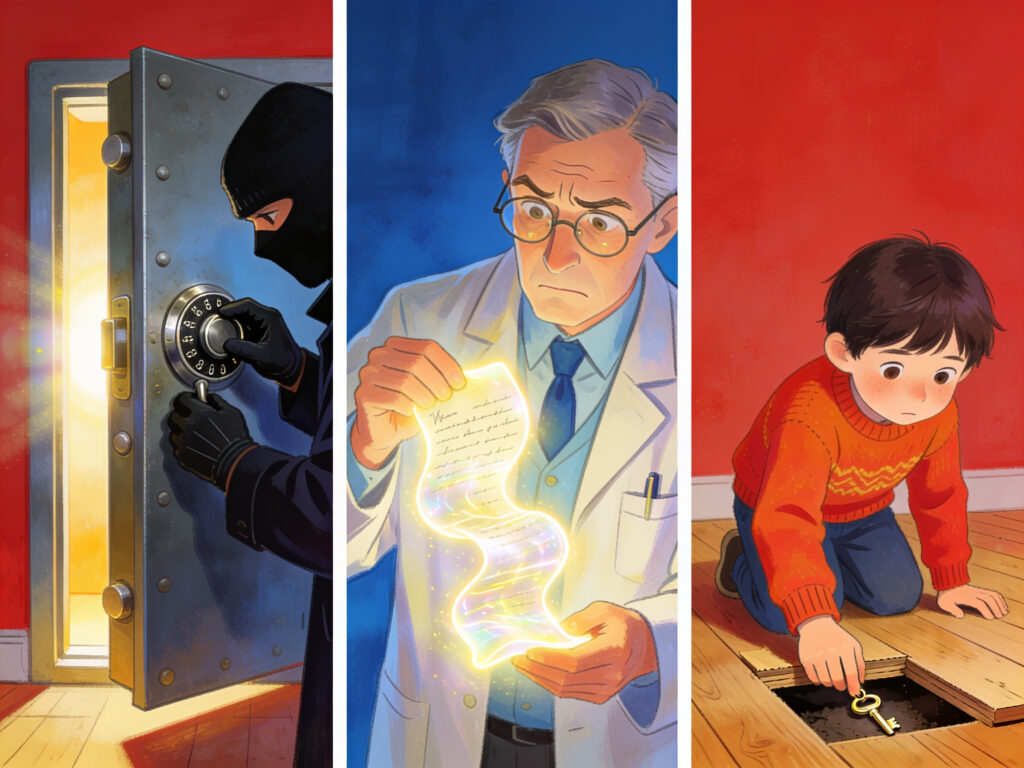
- A thief opens the wrong safe.
- A scientist receives an impossible message.
- A child discovers a secret hidden in a grandmother’s attic.
- A ghost attends its own funeral.
Each of these concepts centers on a specific event rather than an entire life story. The smaller your focus, the stronger your story often becomes.
Imply More Than You Say
One of the greatest strengths of flash fiction is its ability to suggest a larger world without fully explaining it. Readers are intelligent. They don’t need every detail.
Instead of writing:
- The kingdom had been at war for twenty years after the assassination of King Roland, which caused political instability throughout the region.
You might write:
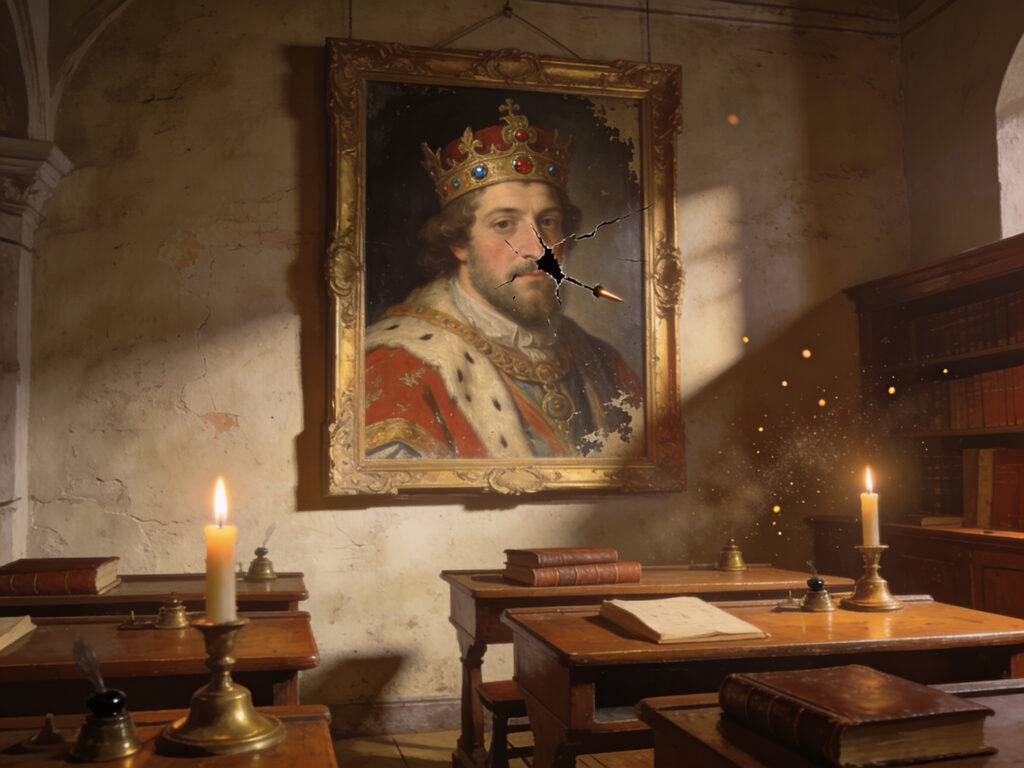
- The king’s portrait still hung in every classroom despite the bullet hole cracking his face.
The second version communicates history, conflict, and setting in a fraction of the space. Trust readers to fill in the gaps. Often, what remains unsaid is just as powerful as what appears on the page.
Choose Details Carefully
In longer fiction, writers have room for dozens of descriptive details. In flash fiction, every detail must earn its place. Strong details accomplish multiple jobs at once. Instead of describing an entire room, focus on a single object that reveals something important.
For example:
- A wedding ring in a pawn shop window
- A cracked astronaut helmet
- A child’s drawing taped to a prison wall
Specific details create stronger images and carry emotional weight.
Create Change
A story is not simply a situation. A story is change. Something must be different at the end than it was at the beginning.
The change can be:
- External
- Emotional
- Relational
- Psychological
A character learns a secret. A belief is challenged. A relationship shifts. A difficult decision is made.
Without change, readers may feel as though they’ve witnessed an interesting moment but not a complete story.
Aim for Emotional Impact
Many writers believe flash fiction requires a twist ending. Twists can be effective, but they are not mandatory. What readers truly remember is emotional impact.
Ask yourself:
What feeling do I want readers to experience?
Perhaps it’s:
- Wonder
- Fear
- Sadness
- Hope
- Humor
- Nostalgia
When you know the emotional destination, you can shape every sentence toward that goal. Some of the most memorable flash fiction pieces don’t surprise readers. They move them.
End Early
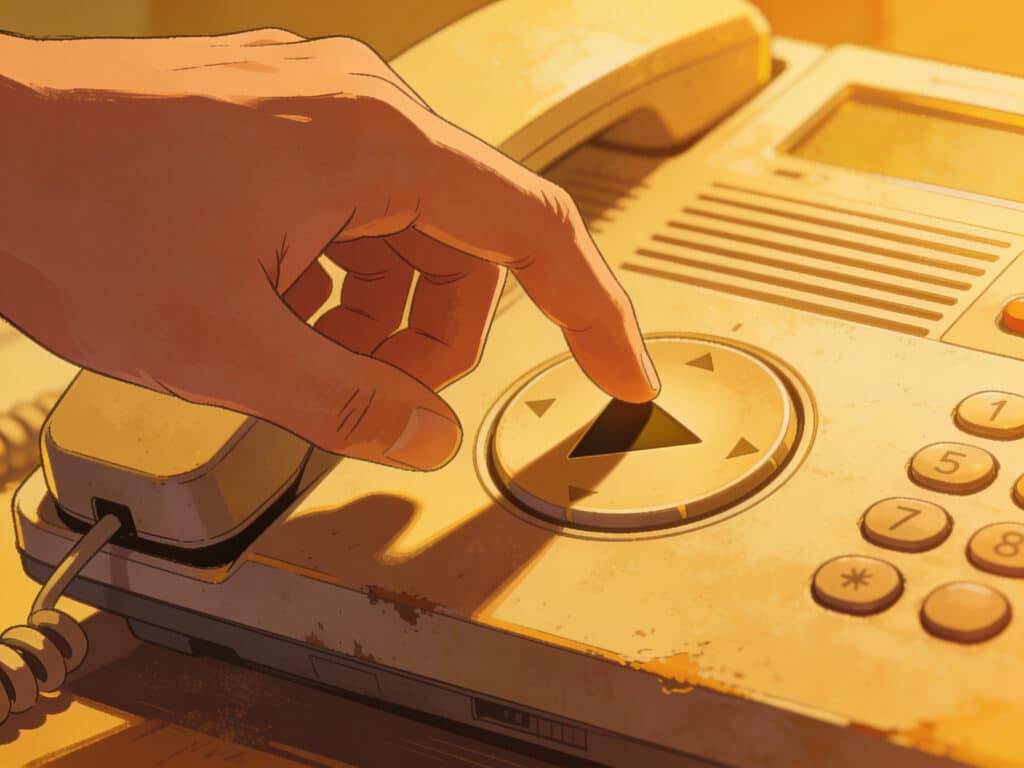
Another common mistake is overstaying the ending. Once the emotional moment lands, stop. Trust readers.
Imagine a story where a father finally receives a voicemail from his late daughter. The most powerful ending might be:
- He pressed play.
You don’t always need to explain what happens next. Leaving space for the reader’s imagination can create a stronger emotional experience.
As a general rule:
- Enter late.
- Leave early.
A Simple Flash Fiction Formula
If you’re struggling to structure a story, try this simple framework:
Character
Who is the story about?
Situation
What problem, opportunity, or unusual event occurs?
Shift
What changes?
Impact
Why does that change matter?
Example:
Character:
A retired magician.Situation:
His tricks begin happening for real.Shift:
He accidentally makes his late wife appear.Impact:
He must decide whether to let her go again.
Four simple steps. One complete story.
Common Flash Fiction Mistakes
Too Many Characters
Flash fiction rarely has room for a large cast. Focus on one primary character whenever possible.
Too Much Backstory
Readers don’t need every detail. Give them only what they need to understand the story.
Explaining the Ending
Trust your audience. Resist the urge to explain every implication.
No Conflict
Even small stories need tension. Something should be at stake.
Prioritizing Plot Over Emotion
Readers remember feelings more than events. Never lose sight of the emotional core.
Why Flash Fiction Improves Your Writing
One reason I love flash fiction is that it strengthens almost every writing skill.
Writing flash fiction teaches you to:
- Create stronger openings
- Write tighter prose
- Build tension efficiently
- Focus on character motivation
- Deliver satisfying endings
- Eliminate unnecessary words
These skills transfer directly into short stories, novellas, and novels. Many writers discover that practicing flash fiction improves their longer projects by teaching them to recognize what truly matters in a scene.

Final Thoughts
Flash fiction isn’t about writing less. It’s about saying more with fewer words. Every sentence carries weight, every detail matters, and every choice counts.
When you start late, focus on one meaningful moment, imply more than you explain, and end before the story loses its impact, you create something powerful. And sometimes, a story only a few hundred words long can stay with a reader far longer than a novel.
The next time you’re staring at a blank page, don’t worry about writing something huge. Start with a spark. You never know where it might lead.
For more guidance on writing flash fiction, check out my book: